




We represent people hurt in motor vehicle crashes and serious injury cases. Our practice focuses on car accidents, truck crashes, motorcycle collisions, pedestrian injuries, rideshare accidents, and hit and run claims. Each case follows state injury law and insurance rules.
A serious accident creates medical bills, missed work, and insurance disputes. Many injured people rely on adjusters or delay legal review. This delay leads to low settlement offers, denied claims, or missed deadlines under injury law.
Insurance companies review fault, medical records, and policy limits. Claim errors affect recovery for car accidents, truck crashes, motorcycle collisions, pedestrian injuries, rideshare accidents, and hit and run cases. Legal review corrects filing errors and claim gaps.
Legal support protects injury claims from denial, delay, and undervaluation. Insurance carriers review fault, treatment records, and policy limits. Missing documents or late filings reduce claim value under injury law.
Personal injury cases require knowledge of injury law and claim procedure. Our practice focuses on accident claims involving negligence, bodily harm, and insurance coverage disputes.
Most injury cases follow a contingency-based fee model. Clients pay no upfront legal fees. Payment applies only after claim recovery, based on case terms.
Strong claims rely on records, reports, and liability proof. Evidence includes police reports, medical records, witness statements, and insurer correspondence.
Injury cases involve medical care, income loss, and long-term impact. Legal representation coordinates records, deadlines, and insurer communication through resolution.
It takes three clear steps to review an injury claim and begin legal action. Each step focuses on facts, records, and next actions.
Share basic details about the accident, injuries, and insurance status. This information helps identify claim type, liability issues, and time limits.
A legal review examines fault, medical records, and available coverage. This step confirms claim strength and possible compensation paths.
Case handling includes evidence collection, insurer contact, and deadline tracking. The goal focuses on resolving the claim based on documented damages.
After an accident, clear legal action supports recovery and claim accuracy. Proper handling of records, medical care, and insurance communication reduces delays and protects claim value.
Injury cases often involve treatment costs, income loss, and long-term impact. Legal review helps organize documents, confirm liability, and manage insurer responses through each stage of the claim.
Small delays can reduce claim value and affect recovery. Legal review helps address liability, insurance limits, and filing deadlines before issues affect compensation.

Car crashes often involve insurance disputes, injury treatment, and fault review. Legal handling focuses on damages caused by negligent driving.
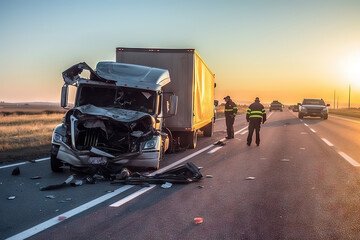
Truck accidents involve commercial vehicles, federal rules, and multiple liable parties. Claims require evidence from logs, inspections, and carrier records.
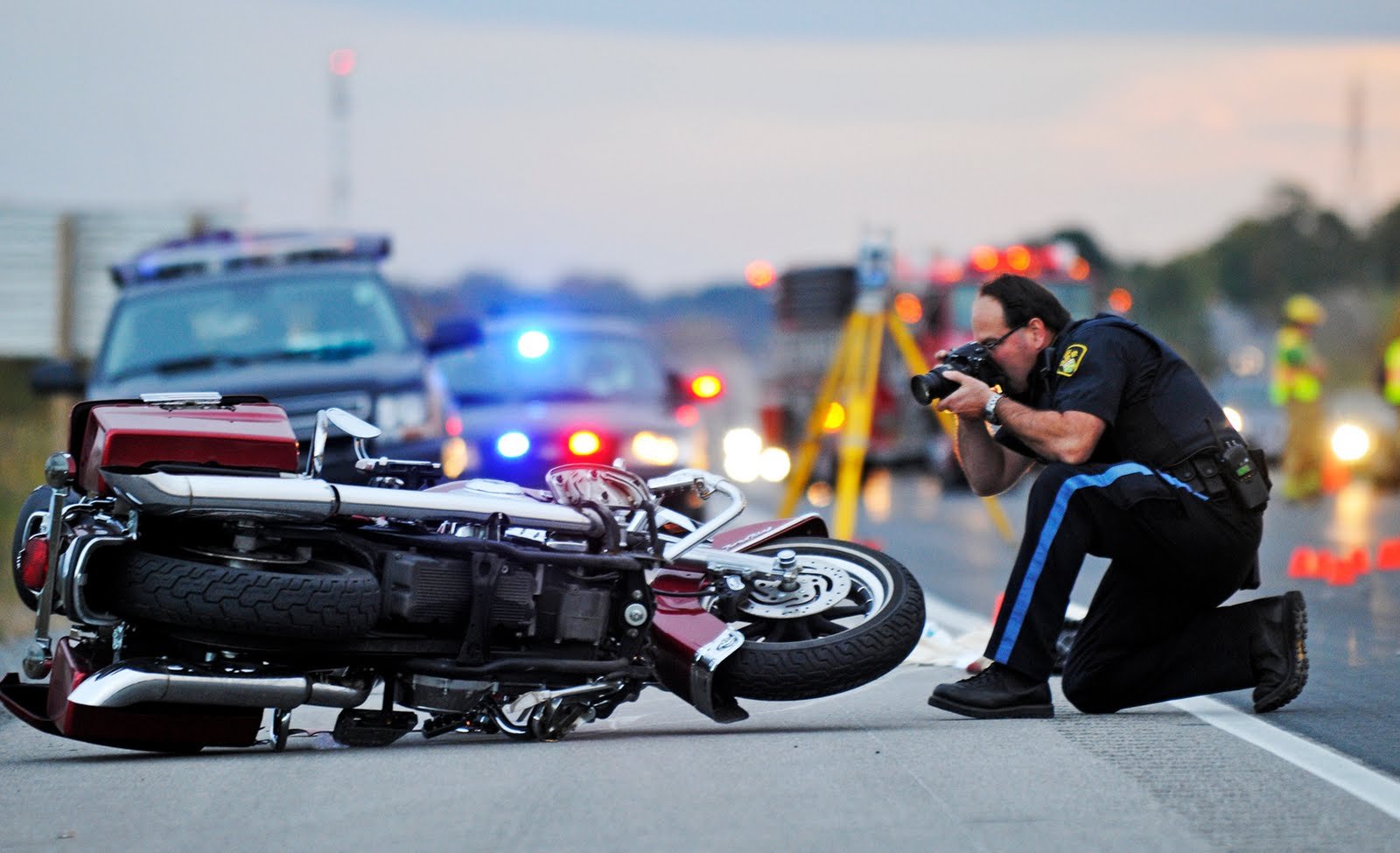
Motorcycle crashes often cause severe injuries and disputed fault. Claims rely on crash evidence and injury documentation.

Pedestrian injuries involve direct impact and serious harm. Legal review focuses on driver conduct and traffic violations.

Rideshare accidents involve driver status and layered insurance coverage. Claims depend on trip activity at crash time.

Hit and run cases involve unknown drivers and uninsured coverage. Claims rely on investigation and policy review.
This complimentary guide gives you a clear, step-by-step breakdown of how to properly set up an LLC in Missouri — so you can move forward knowing the legal foundation is done right from the start.
Disclaimer:Court Context provides personal injury legal services nationwide, representing accident victims across the U.S., based in Denver, Colorado.